Vinyl series
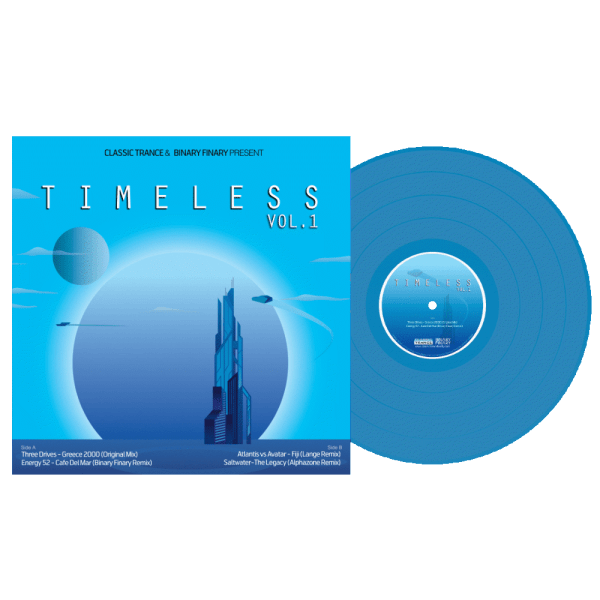
Energy 52 – Cafe Del Mar
Atlantis vs Avatar – Fiji
Saltwater – The LegacyView record
Timeless Vol. 1
Three Drives – Greece 2000Energy 52 – Cafe Del Mar
Atlantis vs Avatar – Fiji
Saltwater – The LegacyView record

Binary Finary are responsible for one of the most played and revered trance tracks of all time.
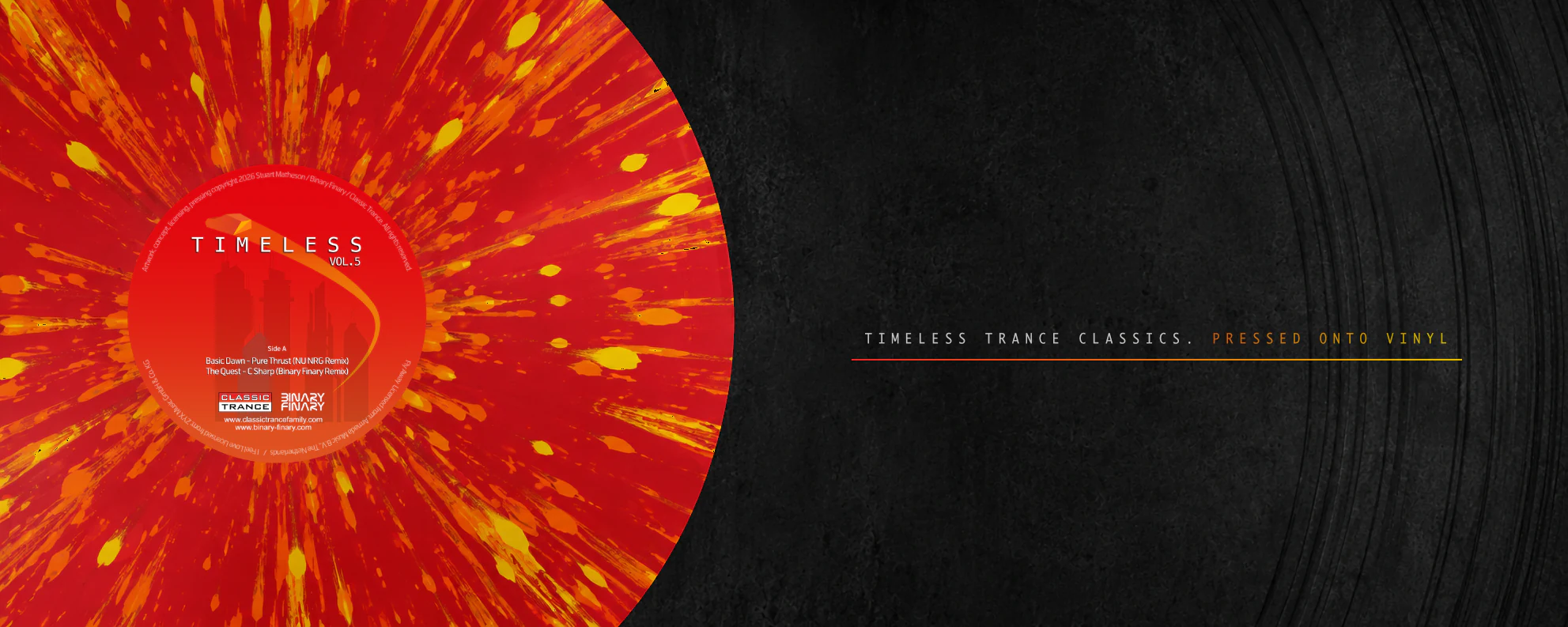
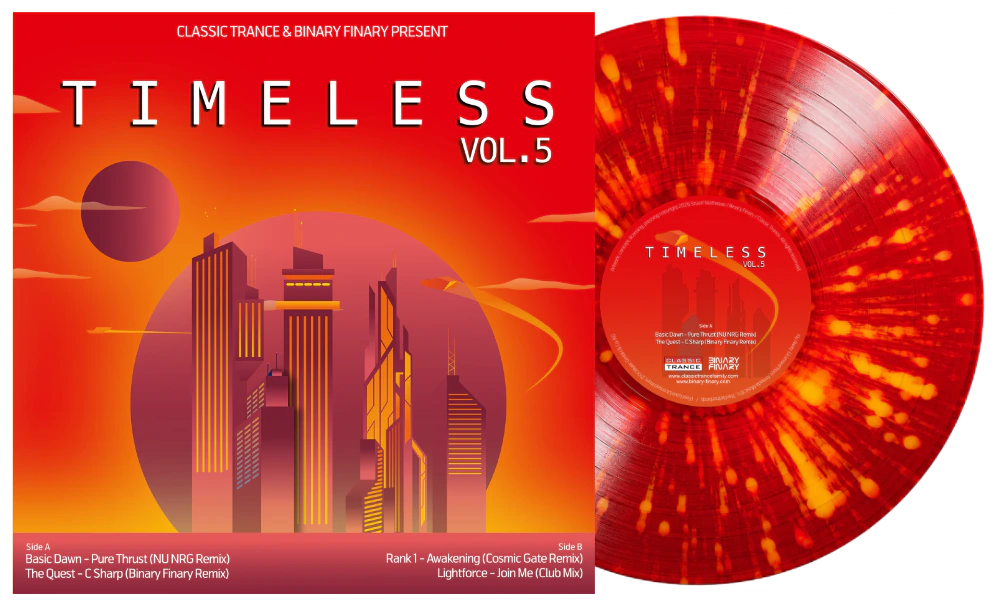
Timeless Vol. 5 continues the collector-led vinyl series with a red and orange splatter pressing built around four classic trance moments.
Built through Classic Trance Family and powered by the community, this next volume celebrates the records, remixes and physical formats that keep classic trance culture alive.
Key details for artwork names, delivery and payment before you order.
After the Ambassador pre-order period ends, the standard price is £45.00 per record, without a new name printed on the sleeve. Postage is additional.
The one-record option includes one Timeless Vol. 5 vinyl record and one Ambassador artwork name for the sleeve credits. The two-record option includes two records and one artwork name for each record.
Each record includes one name. Any characters can be included; enter the name exactly as it should appear and check the spelling, capitals, accents and symbols carefully.
Approximately four to five weeks after public buying opens. The exact closing date will be announced on the campaign page, by email and on Classic Trance and Binary Finary social channels.
Timeless Vol. 5 is being mastered, pressed and shipped from the United Kingdom. Your delivery country may apply import tax, customs duty or handling charges separately.
The current plan is to press during December 2026 and January 2027, with shipping targeted for January and February 2027. These are target windows while artwork, test pressings and the plant schedule are completed.
Use the two-record option when both records are going together to one address. For different delivery addresses, place separate one-record orders.
Use the payment methods shown by the official checkout. If payment is not working, email classictrancefamily@gmail.com and we can arrange an approved payment option for you.
Dated updates will appear on the Classic Trance campaign page. Important milestones will also be shared by email and through the Classic Trance and Binary Finary social channels.
See the full Timeless Vol. 5 campaign FAQ or email classictrancefamily@gmail.com with any other question.
Binary Finary is a cornerstone of classic trance, defined by melody, emotion and timeless connection.
Best known for the iconic track “1998”, the project helped shape the late 90s sound, crossing from underground clubs into the UK Top 40 and global recognition.
With remixes from artists including Paul van Dyk, Matt Darey and Gouryella (Tiësto & Ferry Corsten), the record became a defining moment of the era, played in clubs, festivals and radio worldwide.
Today, Binary Finary represents authenticity, legacy and the enduring emotional power of trance music, connecting generations through sound.
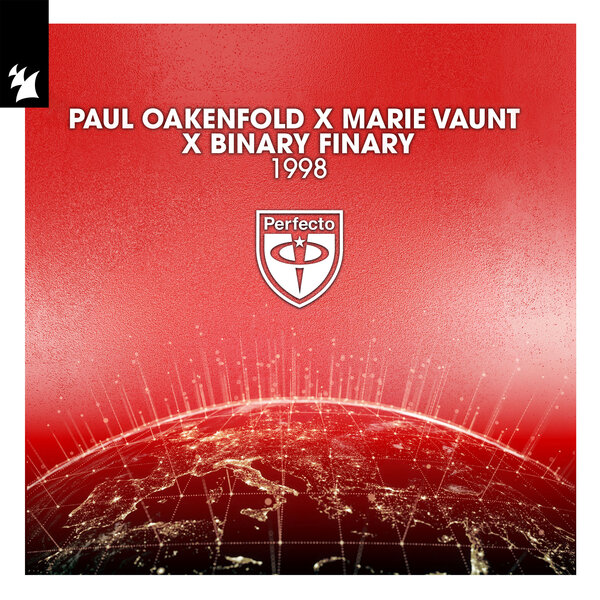
Paul Oakenfold and Marie Vaunt join forces on a new version of “1998”, bringing one of trance music's defining melodies back through Perfecto Records and Armada Music.
The 2026 remix of “1998” is out now, connecting the legacy of the original with a fresh release from Paul Oakenfold and acid-techno artist Marie Vaunt.
A tracklist-style archive of defining moments, releases and new chapters in the Binary Finary story.
Listen to the Binary Finary catalogue, including classics, reworks and archive material.
A curated vinyl series capturing the essence of classic trance, from original masters to carefully selected cuts that define the era.
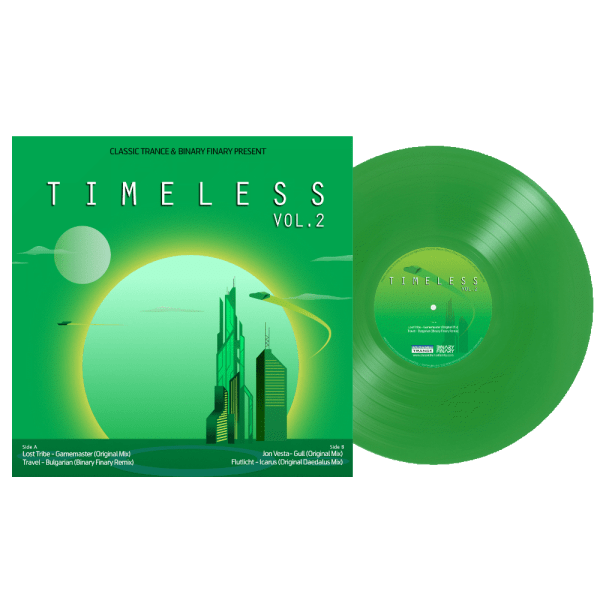
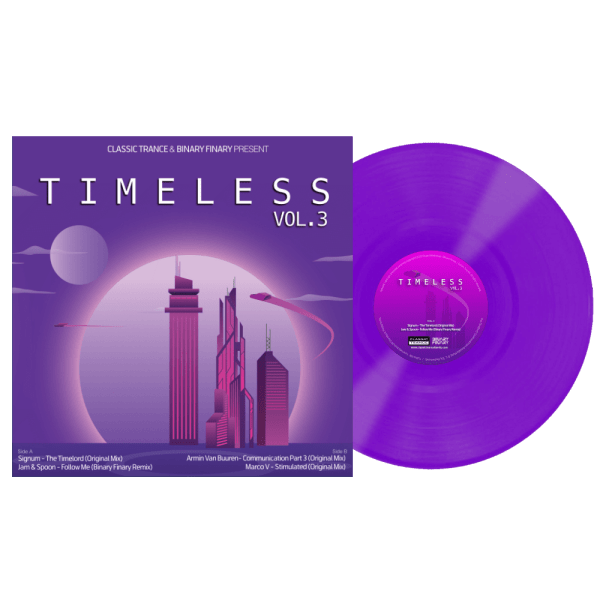

Each volume represents a moment, pressed for collectors, DJs and those who understand the importance of the format. These records were created from the passion and dedication of the Classic Trance Community, coming together as Ambassadors with their names adorned on the artwork.
Images, artwork and moments from across the Binary Finary story.
Short-form moments from Instagram, classic trance culture and the Binary Finary archive.
Selected videos from the Binary Finary channel, live sets, classics and new material.
Connect with Binary Finary and the wider classic trance community across the official pages and dedicated groups.
Artist updates, reels, announcements and the dedicated Binary Finary fan group.
For bookings, enquiries and general contact, reach out directly via social platforms.
Binary Finary is represented by Synergy Artist Management.
For direct messages and enquiries, use the platforms below.